Blog
Roof Refurbishment vs Roof Replacement: Which Is the Right Choice?
When an industrial roof begins to show signs of deterioration, building owners are often presented with what appears to be a straightforward choice: repair it or replace it.

A full roof replacement may provide a completely new roofing system, but it can also bring significant cost, disruption and environmental impact. In many cases, a professionally specified refurbishment programme can restore protection, address corrosion and extend the roof’s serviceable life without the need to remove the existing structure.
Understanding the alternatives to roof replacement is therefore an important part of effective building management.
When is roof replacement necessary?
There are circumstances in which complete replacement is the most appropriate – or only – option.
This may be the case where inspections identify that there is significant structural damage, widespread perforation or severe sheet deterioration. There may be substantial water ingress which is affecting the roof assembly, drainage or design defects, or materials might simply have reached the end of their structural life.
If the existing roof can no longer provide a sound and stable substrate, applying a refurbishment coating won’t resolve the underlying problem. Structural concerns must always be properly assessed before any remedial system is specified.
Replacement may also form part of a wider redevelopment programme where the building’s use, insulation requirements or roof design are changing substantially.
However, visible deterioration does not automatically mean the entire roof has failed.
When is refurbishment the better option?
Many industrial roofs remain structurally sound even when their original protective finishes have begun to deteriorate. Some of the common issues we encounter include:
- fading, chalking or breakdown of the factory-applied coating
- cut edge corrosion around sheet laps
- localised corrosion around fixings
- ageing sealants
- minor leaks
- deterioration of gutters, rooflights or other roof details.
When these problems are identified early enough, roof refurbishment can provide a practical and cost-effective alternative to replacement.
A correctly specified refurbishment system can treat vulnerable areas, reinstate surface protection and help prevent further deterioration. This allows the existing roof structure to remain in use for longer while addressing the defects that could otherwise shorten its lifespan.
The key question in any roof restoration versus replacement decision is not simply how old the roof is. It is whether the roof remains structurally suitable for refurbishment.
Comparing the costs
Cost is one of the main reasons building owners consider refurbishment.
Complete roof replacement often involves removing and disposing of existing materials, purchasing new roof sheets, upgrading other elements of the roof assembly and coordinating a lengthy installation programme.
Additional costs which aren’t always factored in initially can arise from scaffolding and access requirements, the potential need for temporary weather protection, interruptions to production or warehousing leading to relocation of stock or equipment.
Roof replacement can be a messy job, which means internal protection against dust and debris should be factored in, as well as considering the need to make changes to mechanical, electrical or solar installations whilst the roof is out of action.
Refurbishment makes use of the existing roof and is therefore generally faster and less invasive. Although every project must be assessed individually, retaining serviceable materials can significantly reduce the scope and upfront cost of the work.
Price, and therefore the cheapest initial quotation should not, however, be the only consideration.
Surveyors and asset managers should assess whole-life value, including the expected performance of the proposed system, future inspection requirements, maintenance costs, technical support and the accountability of the manufacturer.
A lower-cost treatment that is poorly prepared, incorrectly specified or inadequately supported may prove more expensive over time.
Reducing disruption to the building
Operational disruption can be as significant as the direct cost of roofing work.
Industrial and commercial buildings may house manufacturing lines, logistics operations, temperature-sensitive stock or businesses working to tight delivery schedules. Stopping these activities can have major commercial consequences.
Because refurbishment normally retains the existing roof sheets, much of the work can be completed externally while the building remains operational.
There will still be access, safety and scheduling requirements, but refurbishment can often be phased around the needs of the site. This makes it particularly attractive for occupied warehouses, factories, retail buildings and distribution centres.
The environmental case for refurbishment
The environmental impact of roofing work is also increasingly important.
Replacing an entire roof requires new materials to be manufactured and transported to site. Existing sheets must then be removed, transported and either recycled or disposed of.
Refurbishment reduces this impact by retaining materials that remain structurally serviceable resulting in a reduction of construction waste, lowering the demand for replacement products and minimising transport and site activity – essentially extending the useful life of the existing building envelope.
Protecting and maintaining an existing asset is often more sustainable than replacing it prematurely.
Refurbishment should not be selected where replacement is genuinely required, but where the roof remains suitable, extending its lifespan supports both commercial and environmental objectives.
Correct specification is essential
A successful refurbishment project depends on much more than applying a coating.
The roof must first be inspected so that its condition, construction and defects are properly understood. The specification should then address the individual requirements of the roof, including corrosion, existing coatings, gutters, rooflights, fixings, penetrations and drainage.
Important factors include:
- selecting the correct system
- cleaning and preparing surfaces properly
- treating corrosion before coating
- applying the required coating thickness
- working within appropriate weather conditions
- using contractors who understand the specification.
Surveyors play a critical role in determining whether refurbishment is viable and ensuring the proposed solution is appropriate for the condition of the building.
Manufacturers must also provide clear technical guidance, reliable systems and practical support throughout the project.
How Giromax® supports roof refurbishment
Giromax® systems are designed to help restore and protect industrial roofing and cladding components, including roof sheets, cut edges, gutters and rooflights.
Rather than offering a one-size-fits-all solution, at Giromax® we work with surveyors, contractors and property professionals to help identify the correct system for each area of the building envelope.
This support includes technical advice, specification guidance, contractor training, site support and CPD sessions.
Giromax® combines this technical knowledge with extensive real-world experience of industrial roof refurbishment. That experience helps customers make informed decisions based on the condition of the roof, the needs of the building and the long-term value of the proposed work.
So, Refurbish or replace?
Full roof replacement will always have an important role where a roof has reached the end of its structural life.
However, it should not be treated as the automatic response to coating breakdown, localised corrosion or minor water ingress.
For many structurally sound commercial and industrial roofs, refurbishment offers a credible alternative that can extend roof lifespan, control capital expenditure and minimise operational disruption while reducing waste and protecting the value of the building.
The right decision begins with an accurate assessment and an honest, technically informed specification.
To discuss a roof refurbishment project, request technical guidance or arrange a Giromax CPD session, speak to the Giromax team.
At Giromax, we are the original innovators of cut edge corrosion treatments. Our roof coatings will help you protect the integrity and longevity of your industrial roofing system.
For technical guidance or application advice, please speak to the Giromax team or call 01455 388090..
Get updates from us
Sign up to our newsletter to receive all the latest news and insights from Giromax Technology.
Subscribe to NewsletterRelated articles
∙
July 25, 2026
Budgeting for Roof Refurbishment: What Property Owners Should Consider
The roof is one of the most important, and potentially most expensive, parts of any commercial or industrial building to...

Why Surveyors Choose Giromax
Specifying an industrial roof refurbishment system is a significant responsibility. That means surveyors need more than a manufacturer. They need...
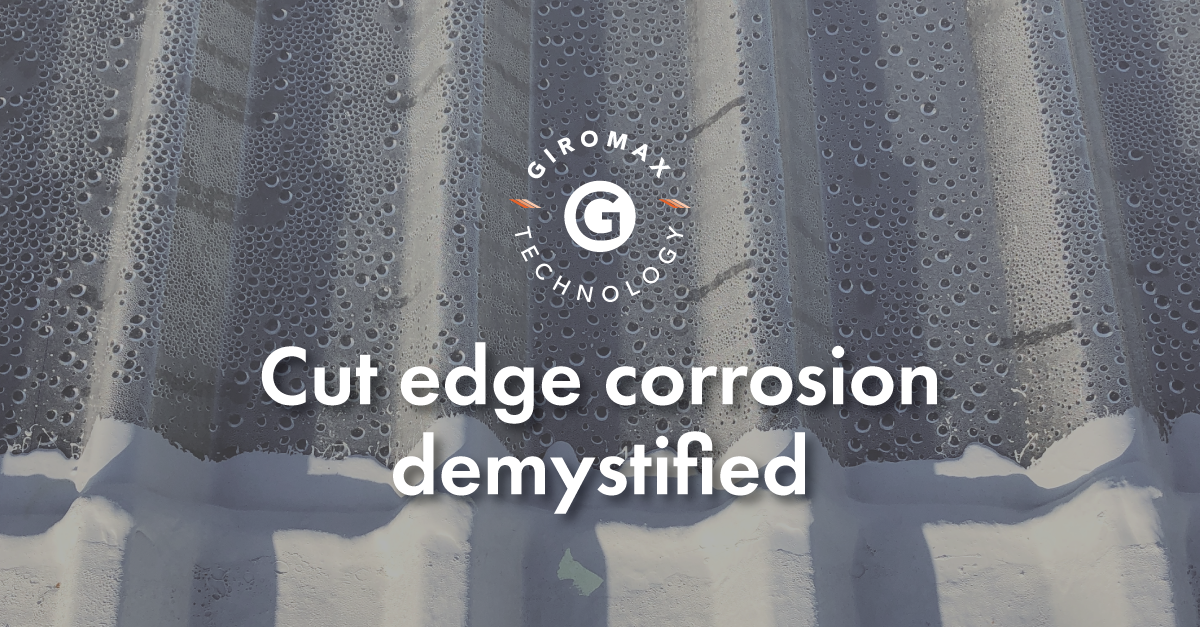
Cut Edge Corrosion Explained
Cut edge corrosion is one of the most common issues affecting profiled metal roofs on industrial and commercial buildings.
Close


Roof Refurbishment vs Roof Replacement: Which Is the Right Choice?
Managing Director
A full roof replacement may provide a completely new roofing system, but it can also bring significant cost, disruption and environmental impact. In many cases, a professionally specified refurbishment programme can restore protection, address corrosion and extend the roof’s serviceable life without the need to remove the existing structure.
Understanding the alternatives to roof replacement is therefore an important part of effective building management.
When is roof replacement necessary?
There are circumstances in which complete replacement is the most appropriate - or only - option. This may be the case where inspections identify that there is significant structural damage, widespread perforation or severe sheet deterioration. There may be substantial water ingress which is affecting the roof assembly, drainage or design defects, or materials might simply have reached the end of their structural life. If the existing roof can no longer provide a sound and stable substrate, applying a refurbishment coating won’t resolve the underlying problem. Structural concerns must always be properly assessed before any remedial system is specified. Replacement may also form part of a wider redevelopment programme where the building’s use, insulation requirements or roof design are changing substantially. However, visible deterioration does not automatically mean the entire roof has failed.When is refurbishment the better option?
Many industrial roofs remain structurally sound even when their original protective finishes have begun to deteriorate. Some of the common issues we encounter include:- fading, chalking or breakdown of the factory-applied coating
- cut edge corrosion around sheet laps
- localised corrosion around fixings
- ageing sealants
- minor leaks
- deterioration of gutters, rooflights or other roof details.
Comparing the costs
Cost is one of the main reasons building owners consider refurbishment. Complete roof replacement often involves removing and disposing of existing materials, purchasing new roof sheets, upgrading other elements of the roof assembly and coordinating a lengthy installation programme. Additional costs which aren’t always factored in initially can arise from scaffolding and access requirements, the potential need for temporary weather protection, interruptions to production or warehousing leading to relocation of stock or equipment. Roof replacement can be a messy job, which means internal protection against dust and debris should be factored in, as well as considering the need to make changes to mechanical, electrical or solar installations whilst the roof is out of action. Refurbishment makes use of the existing roof and is therefore generally faster and less invasive. Although every project must be assessed individually, retaining serviceable materials can significantly reduce the scope and upfront cost of the work. Price, and therefore the cheapest initial quotation should not, however, be the only consideration. Surveyors and asset managers should assess whole-life value, including the expected performance of the proposed system, future inspection requirements, maintenance costs, technical support and the accountability of the manufacturer. A lower-cost treatment that is poorly prepared, incorrectly specified or inadequately supported may prove more expensive over time.Reducing disruption to the building
Operational disruption can be as significant as the direct cost of roofing work. Industrial and commercial buildings may house manufacturing lines, logistics operations, temperature-sensitive stock or businesses working to tight delivery schedules. Stopping these activities can have major commercial consequences. Because refurbishment normally retains the existing roof sheets, much of the work can be completed externally while the building remains operational. There will still be access, safety and scheduling requirements, but refurbishment can often be phased around the needs of the site. This makes it particularly attractive for occupied warehouses, factories, retail buildings and distribution centres.The environmental case for refurbishment
The environmental impact of roofing work is also increasingly important. Replacing an entire roof requires new materials to be manufactured and transported to site. Existing sheets must then be removed, transported and either recycled or disposed of. Refurbishment reduces this impact by retaining materials that remain structurally serviceable resulting in a reduction of construction waste, lowering the demand for replacement products and minimising transport and site activity – essentially extending the useful life of the existing building envelope. Protecting and maintaining an existing asset is often more sustainable than replacing it prematurely. Refurbishment should not be selected where replacement is genuinely required, but where the roof remains suitable, extending its lifespan supports both commercial and environmental objectives.Correct specification is essential
A successful refurbishment project depends on much more than applying a coating. The roof must first be inspected so that its condition, construction and defects are properly understood. The specification should then address the individual requirements of the roof, including corrosion, existing coatings, gutters, rooflights, fixings, penetrations and drainage. Important factors include:- selecting the correct system
- cleaning and preparing surfaces properly
- treating corrosion before coating
- applying the required coating thickness
- working within appropriate weather conditions
- using contractors who understand the specification.